
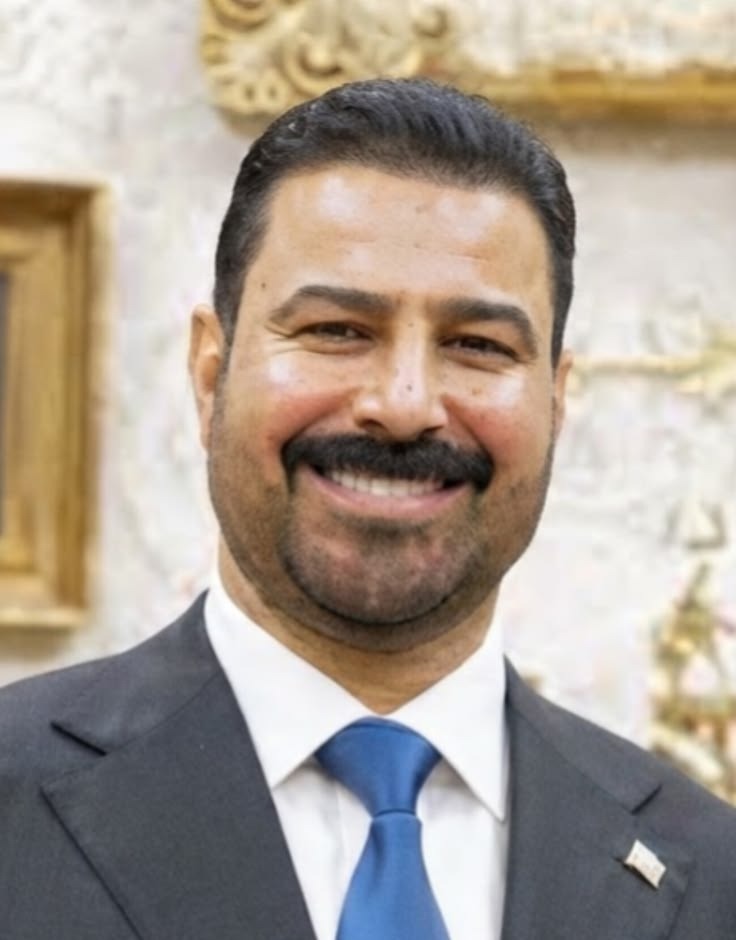
Iraqi Prime Minister Ali al-Zaidi told U.S. President Donald Trump that Baghdad would not allow its territory to be used to attack neighboring countries during a phone call disclosed by al-Zaidi’s office on Thursday. The office said the two discussed regional security developments and the prospects for the next phase, while al-Zaidi called for diplomacy and respect for state sovereignty. Al Jazeera reports on the call and the Iraqi government’s statement.
The position was reinforced by Foreign Minister Fuad Hussein, who warned Iraqi armed groups against joining any Iranian retaliation. Hussein said Iraq was not prepared for war and that allowing Iraqi society to be drawn into the conflict would be a “disaster.” He said Baghdad did not want Iraq to become a battlefield or to be part of either side’s war effort. The statements establish Baghdad’s declared policy, but do not show that all armed factions have accepted or implemented it.
The current message builds on, but does not resolve, an earlier tension in Iraq’s security policy. In July, Al Jazeera reported that al-Zaidi and Trump had linked the planned withdrawal of remaining U.S. forces from Iraq by September 30 to a pledge that armed factions would disarm. The same report said U.S. Defense Secretary Pete Hegseth had pressed Baghdad to disarm Iran-aligned militias, while analysts described Iran’s influence through political, religious and armed-group networks as deeply embedded in Iraq. That earlier reporting documented the competing U.S. and Iranian pressures on Baghdad.
That context narrows the scope of the latest announcement: Iraq is publicly rejecting the use of its territory for attacks and urging restraint, but the fetched reporting does not establish a new disarmament measure, an enforcement mechanism or compliance by Iran-aligned groups. The immediate decision disclosed is diplomatic and political rather than evidence of a completed security-sector change.